
“It is not learned if it is not walked first”
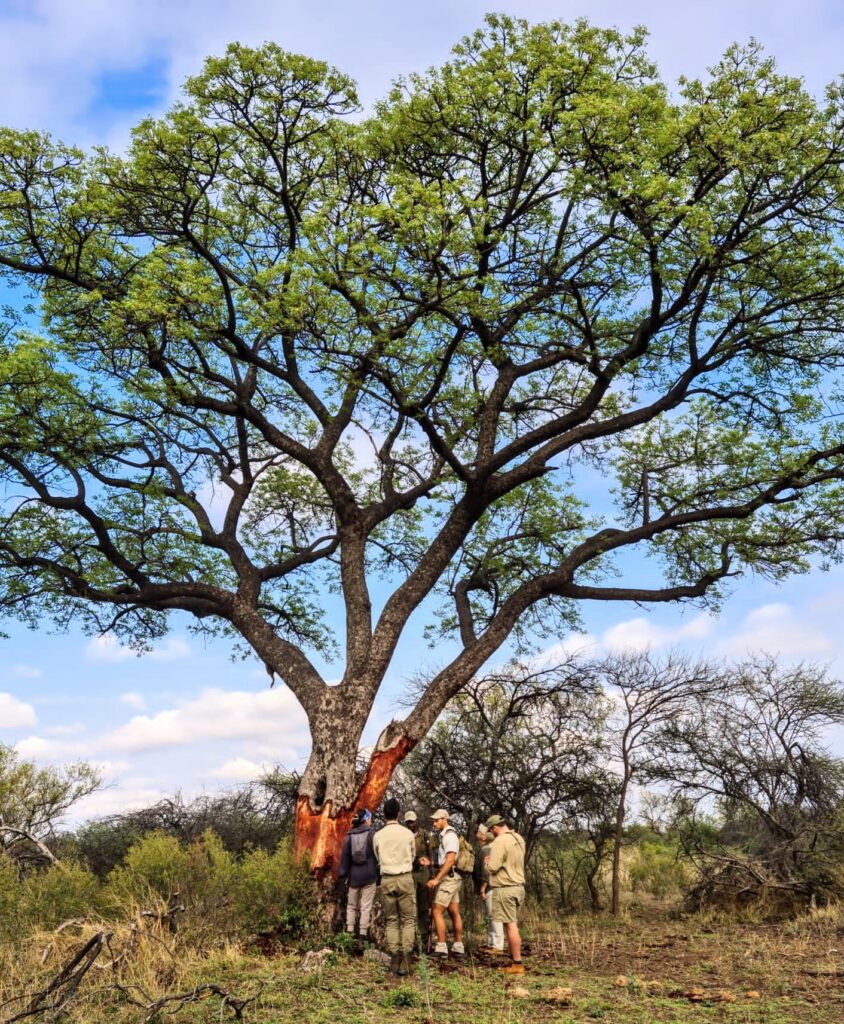
This is one of the principles that best seems to describe the journey of becoming a professional safari guide in Africa. As a student at LFGA, not only do you study a subject in the study hall and take the FGASA exam, you also directly experience these aspects in the field as well. This means that, in comparison to the university career that any of us have followed, studying to become a nature guide includes a lot more practical work from participating in countless bushwalks and game drives in order to spot the bird family you just studied, to just paying attention to which clouds you can see from your camp, just after the lecture on weather. The start of our Phase 2 has brought new Phase 1 students into camp and they have been showing incredibly fast progress despite having been on course for just a few days, producing great results for the exams and showing impressive curiosity and passion for learning.
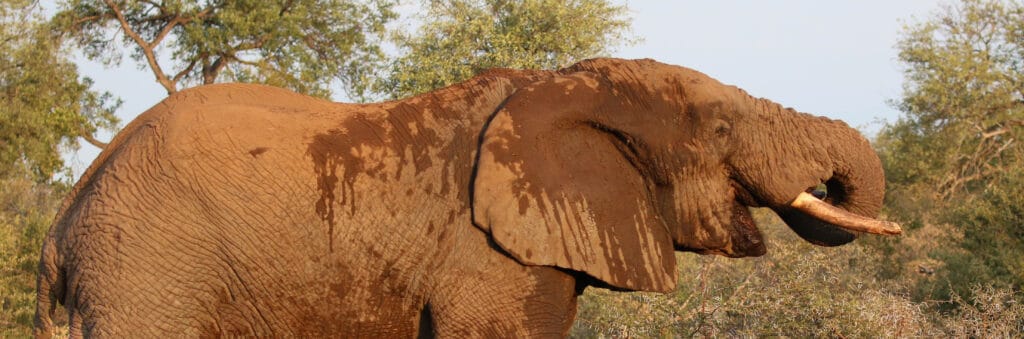
Phase 2 has also brought insights on astronomy, weather, ecology and more for us, as well as the opportunity to take part in a night drive with a spectacular genet sighting. The amount of study of the last 10 weeks – for me 4 on course and 6 of volunteering – has hopefully been enough to ace the Special Sitting of the FGASA National exam, which is offered at LFGA nine times per year. All of what has been learnt in the study hall has been “verified” in the field – no other way of really learning anything except by experience! Verifying info is not always easy in the warm and wet summer of the South African bushveld. Compared to our first course phase in November, the bush has now become incredibly dense as a result of a very wet December.
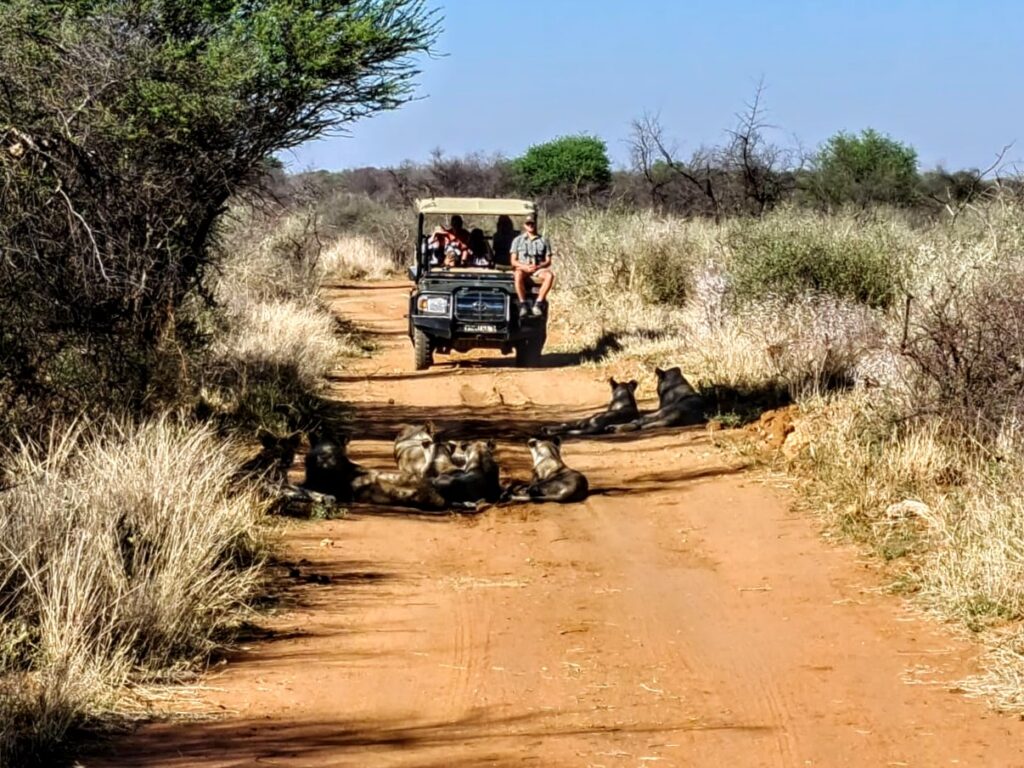
Game viewing or animal trailing gets harder when the landscape is painted in all the possible shades of green and when the heat of the day forces most animals to seek refuge in shade or in remote water puddles. spite of this, we have managed to have a flood of different encounters – the most surprising one being a black rhino bull on the very first game drive for the new students, who had arrived just a few hours before at the airport, including participants from Europe. What makes summer a special period to become a professional guide is undoubtedly also the presence of most or all migratory species – usually this is associated with Woodlands Kingfisher and many cuckoos, but many other species also fly around the bushveld in this period. I figured out this week that if we stop the gameviewer in any given area of Dinokeng North and in particular the Mongena concession areas, at least 5 or 6 calls can be heard in the space of less than a minute.
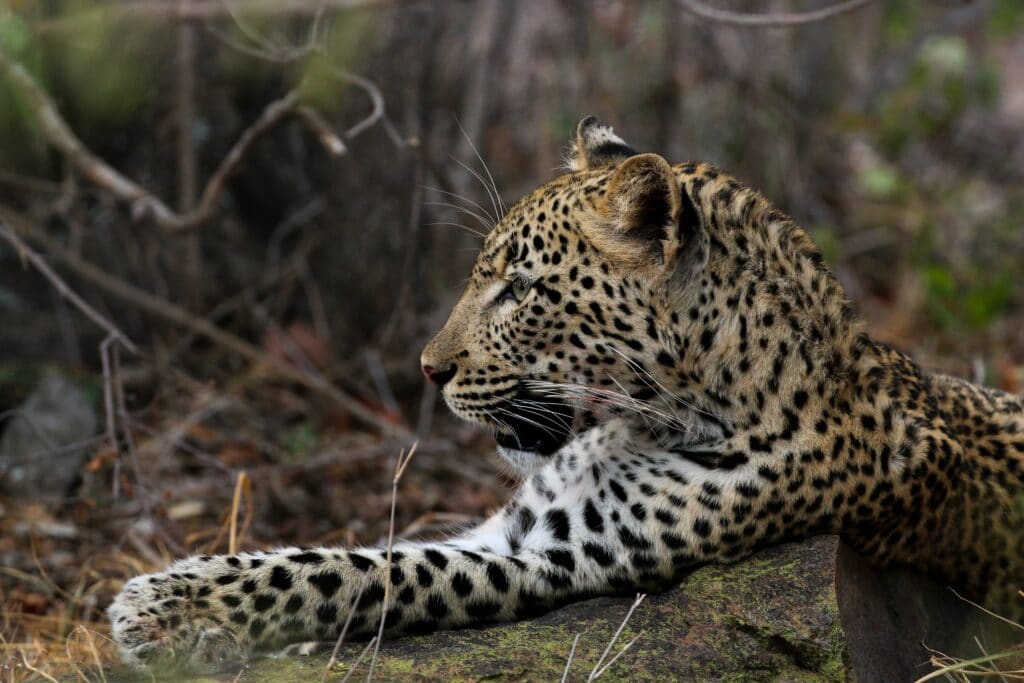
The amount of life around is astounding, as well as the amount of brand new life – we see hundreds of new impala and wildebeest babies that have just come into this world and take their first steps in the African savanna.At this point, the beauty of experiencing this every day with the trainers and fellow students starts mixing with stronger and stronger feelings of impatience. It is the impatience to start sharing all of this with guests as well – the impatience to actually start working as a guide; to share these experiences with those who, just like me, come to the bush for the first time.
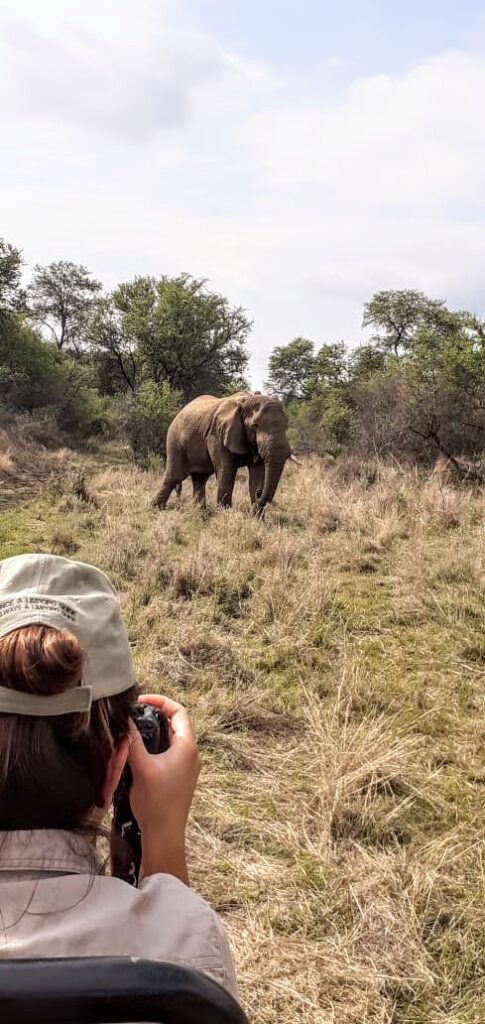
It is however, no time to get distracted by this impatience – the birding week and the practical assessment week, with the CyberTracker Track and Sign evaluation in between, will be the last two of these special experiences with LFGA, but potentially the most intense. It is no time to celebrate – just yet! Stay tuned for the final edition – Part 3 of this blog by Nicholas next month, as he describes the final two weeks on course. If he successfully completes his FGASA Apprentice Field Guide programme, he will enjoy an internship placement at a top Safari Lodge in the beautiful Waterberg bushveld.