
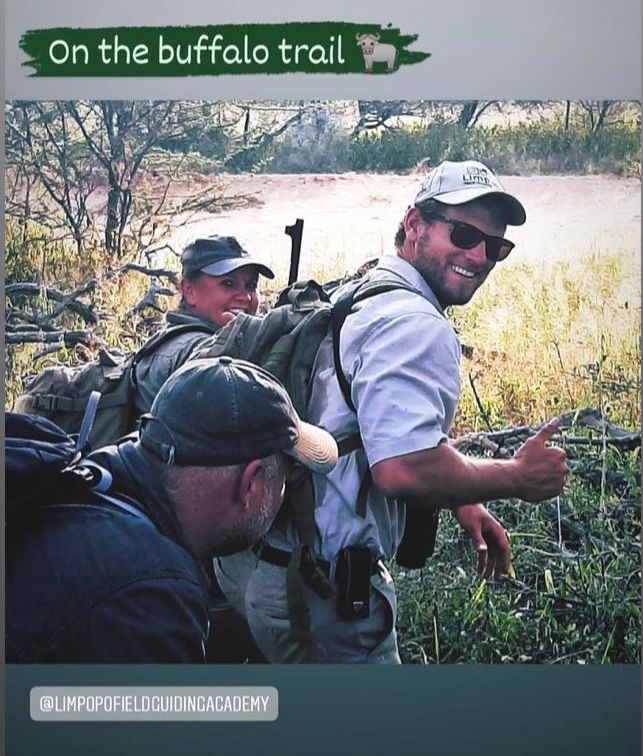
After qualifying as a FGASA Apprentice Field Guide (NQF2) last year, I had the incredible opportunity to start another adventure with Limpopo Field Guiding Academy this year, where I have been conducting an intership for a few months already, keeping on learning and gaining direct experience in the field.
However, my passion for Africa and its nature has led me to take a further step: I have always thought that the true essence of an african safari is to venture into the wild not only with the use of a vehicle, but also on foot, which allows a 100% immersion into nature and the surrounding environment. It is an experience that allows you to have direct contact with what is around you, enabling you to appreciate even the smallest details that are often overlooked during a vehicle safari, such as the tracks and signs left by animals, unusual aspects concerning plants and soil, and the sighting of large mammals from a different and undoubtedly more thrilling perspective.
In fact, there is a course that allows you to specialize in this, and which can potentially allow you to become, one day, a qualified guide to lead guests exploring the african wilds “on foot”.
This is actually the course that I am attending right now here at Limpopo Field Guiding Academy, and after the first two weeks, I already realized that it is the kind of experience that suits me perfectly!
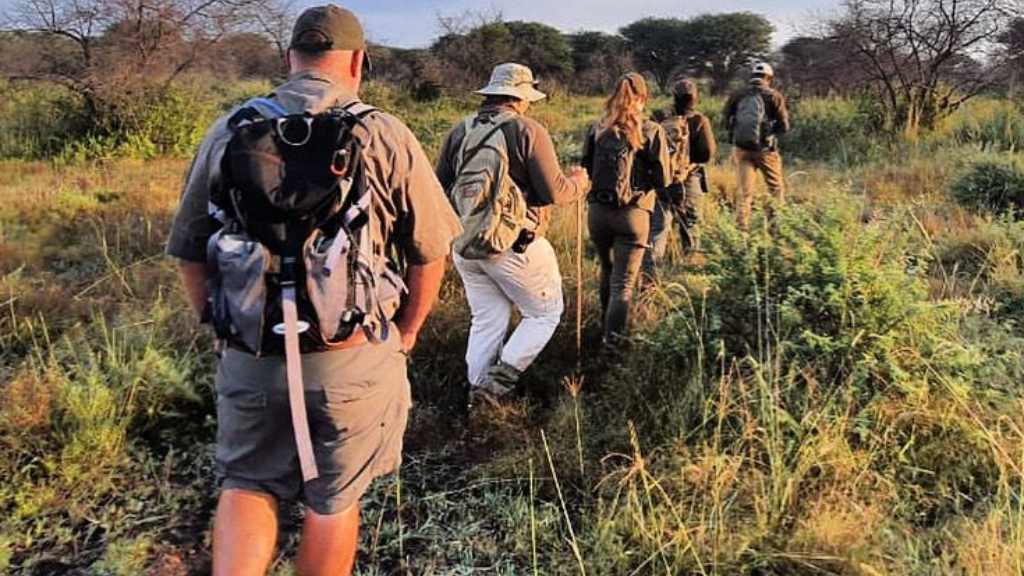
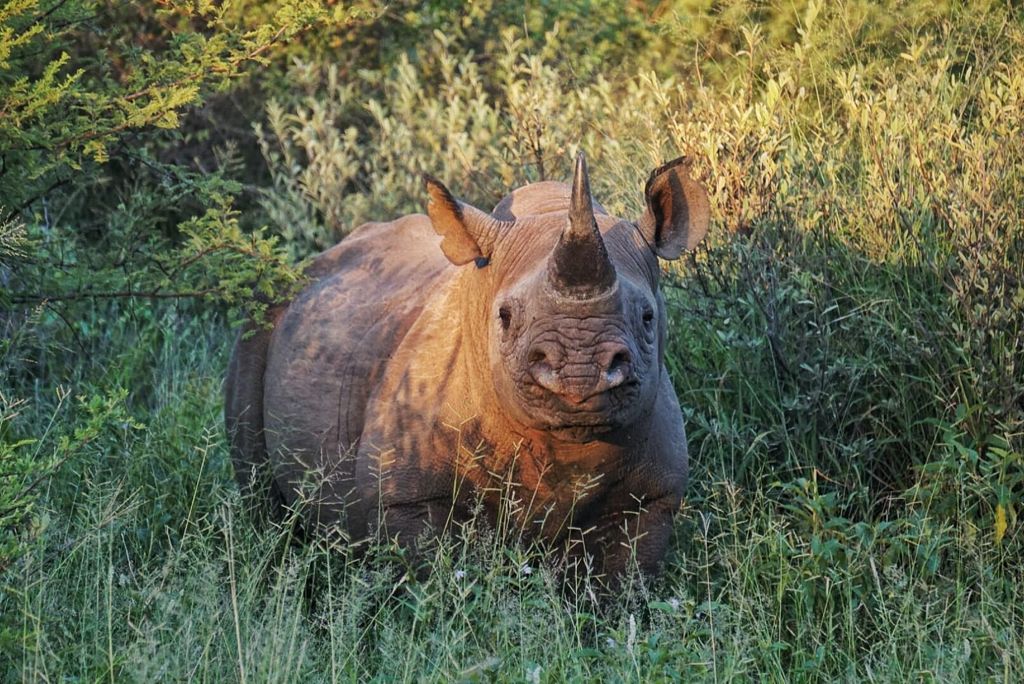
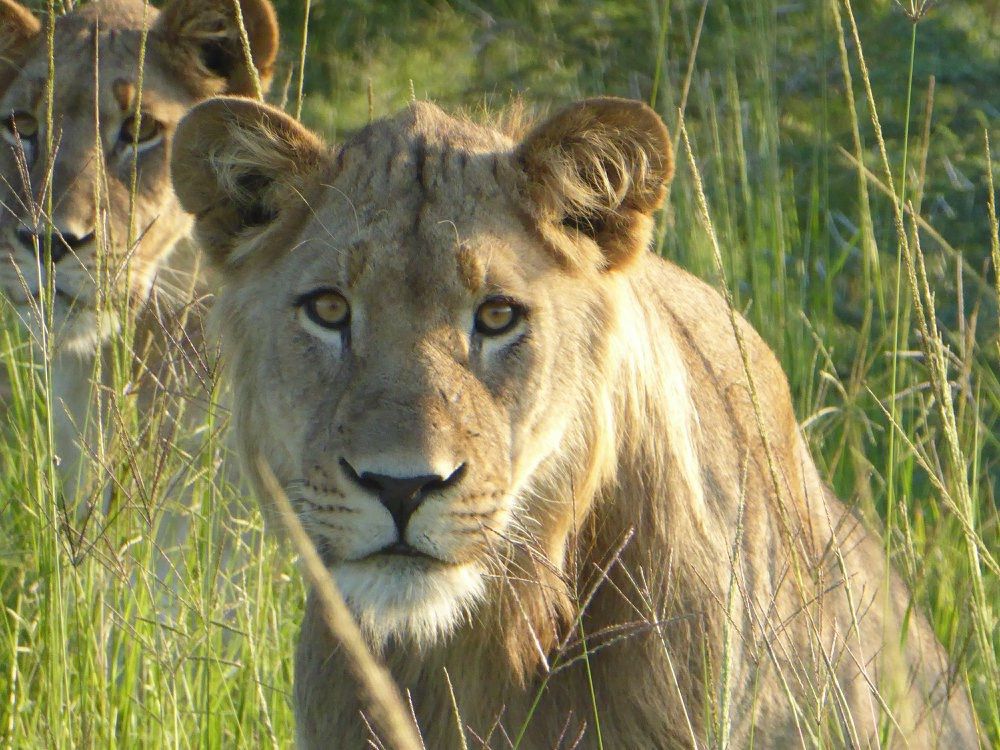
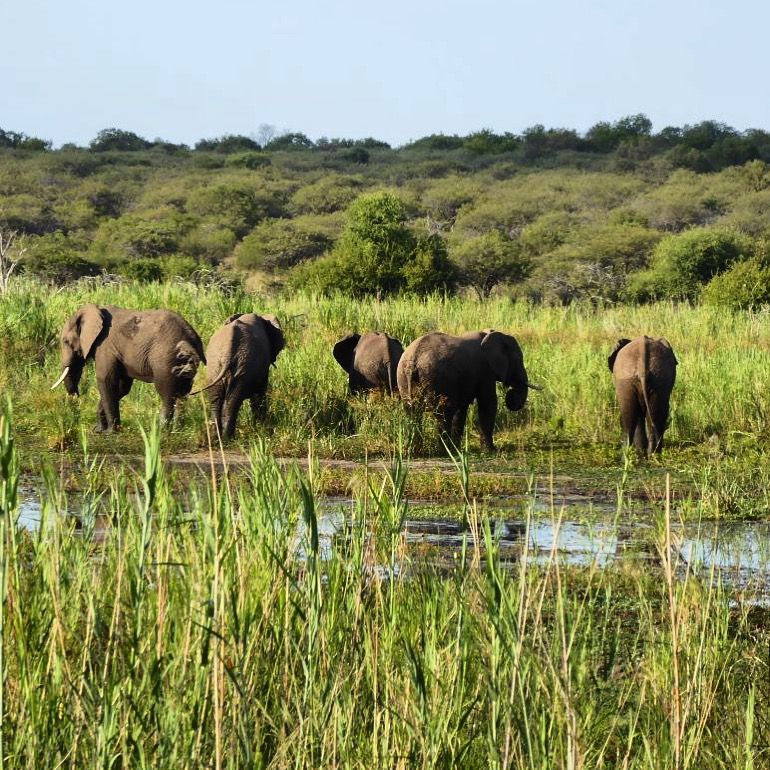
The Trails Guide course is about learning how to lead a group of guests in the African wilderness without the protection of a vehicle, but rather on foot, considering all that this can entail, including the risks and dangers that a natural environment can provide. I assure you that walking in remote areas, with the presence of dangerous animals that could be hiding just behind your nearest bush, is something really special and gives to the whole experience that pinch of adventure and adrenaline that goes beyond the sighting carried out from the comfort of a vehicle. Approaching animals such as rhinos, lions and buffaloes, trying not to let your presence be noticed, is an activity capable of awakening a whole series of ancestral feelings and emotions that we are no longer used to experience.
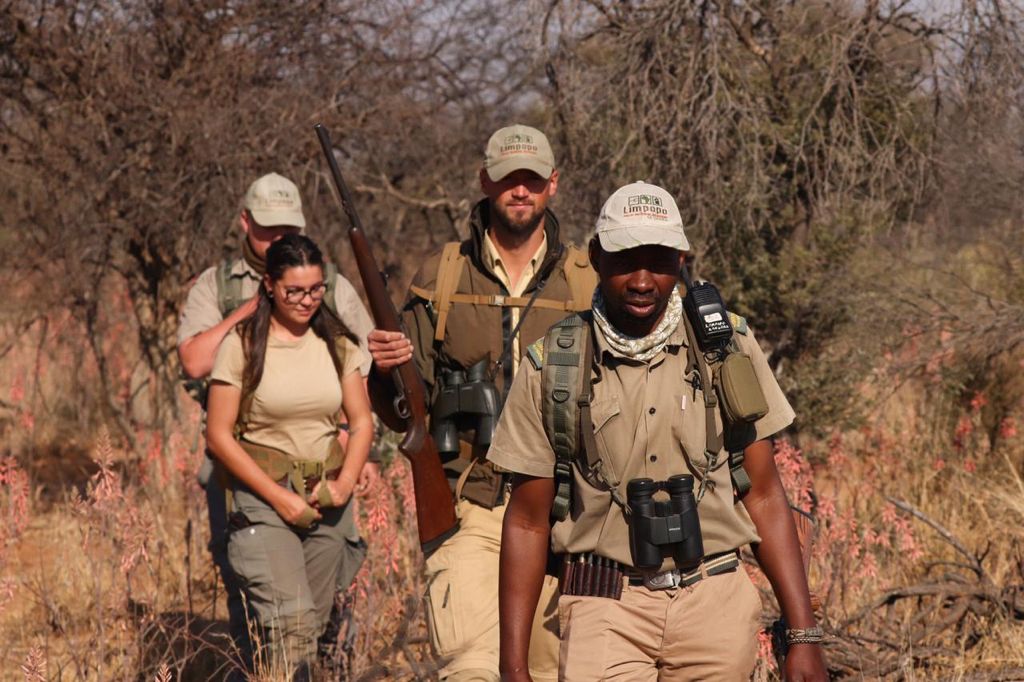
This is actually what you do during the first two weeks of the course: you walk along with your trainers (armed with rifles for safety reasons) for about 5-7 hours a day divided into two sessions, morning and afternoon, trying to find the so-called “dangerous game” through the recognition of their tracks and signs and the knowledge of their behavior. When you eventually get close to the animal, you are then taught on how to conduct the approach in an ethical and safe way, trying to have the least possible impact on the environment and on the animal itself, ensuring a unique and exciting experience for guests.
Once back to camp, you focus on the theory concerning everything that involves being a “Trails Guide” while studying on the FGASA Trails Guide learner manual, and preparing for the theory test, which you will be writing at the end of week 2.
The third week will then be dedicated to ARH – Advanced Rifle Handling, where you will be taught to properly handle a rifle in case of a confrontation with an animal: part of your job as a Trails Guide is to protect your guests and and yourself if an animal suddenly charges. Before getting to this point though, you are instructed on how to avoid potentially dangerous situations that could trigger an aggressive reaction from an animal, and much of the training and knowledge acquired will be about how to conduct an experience that is compelling, but at the same time safe, from the beginning until the end.
However, you must also be ready if things don’t go the way you expect – nature can be unpredictable.
Obviously it is an “advanced” course to a certain degree, which can only be attended after getting the FGASA Apprentice Field Guide (NQF2) qualification, and after being exposed to the african bush for a certain amount of time, thus possessing a whole range of previously learned skills and knowledge.
However, I believe that “walking safaris” and “trails guiding” experiences are what many of us look for and think of when it comes to safaris in Africa: a perfect combination of nature, exploration and adrenaline, but always respecting the surrounding environment.
Now, along with the other students of the course, after two intense weeks of walking in the bush and studying, I am preparing for the upcoming theory exam, and looking forward to ARH next week.
The adventure continues! Enrico Testi