
Article by Nicholas Porcellato
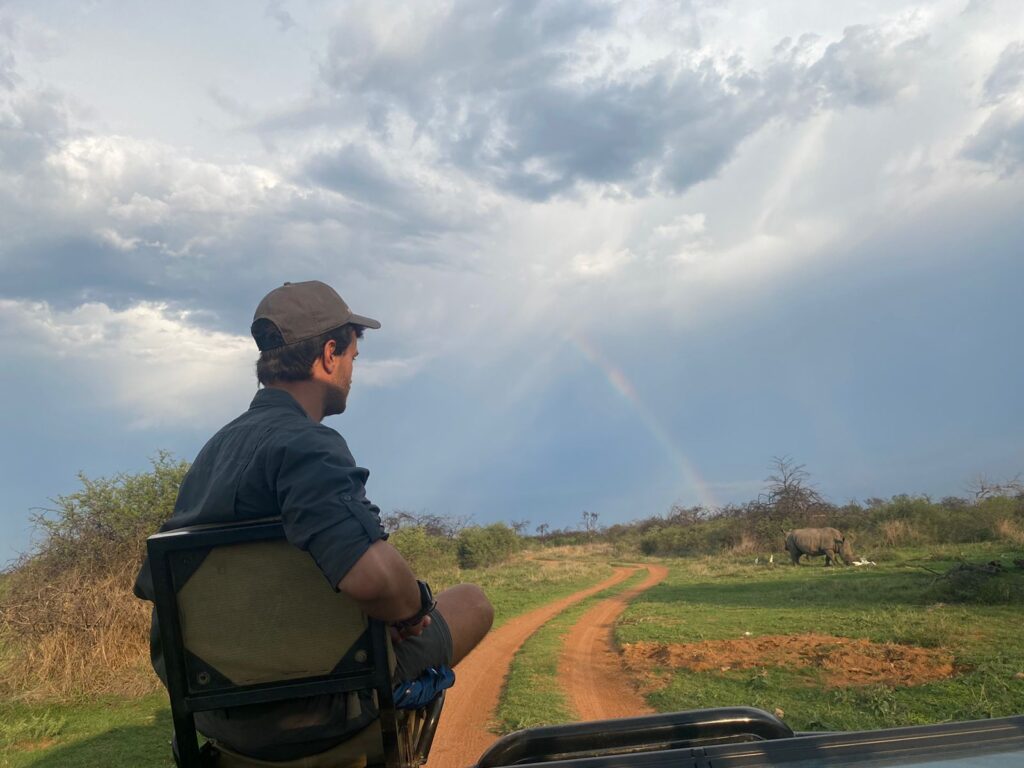
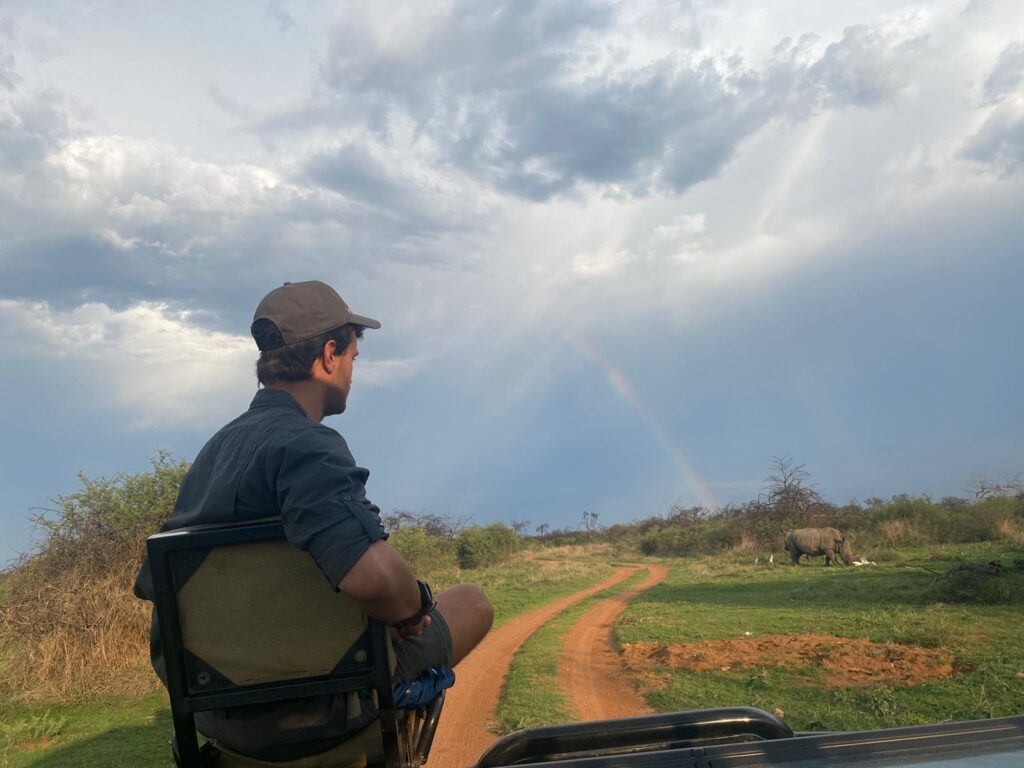
When the Limpopo Field Guiding Academy (LFGA) published on their social media a special offer for a 5-month all-comprehensive program of study and internship in the South African bush, I was on my way to work on a typical grey, wet day in the North European autumn. Quitting my job with a few weeks’ notice and packing all my bags to seize this opportunity and become a field guide felt like the right choice – however, the jump was scary.
How many things could have gone wrong?
Two months in, after the first phase of my FGASA endorsed Apprentice Field Guide Course and an extensive period of volunteering with the rangers of Mongena Game Lodge, in Dinokeng North, I have not regretted taking the big leap. The experience of studying all the necessary subjects for a field guide, learning the shape of hundreds of different animal tracks and tracking dangerous game species for dozens of hours on foot, has definitely been worth the risks taken.
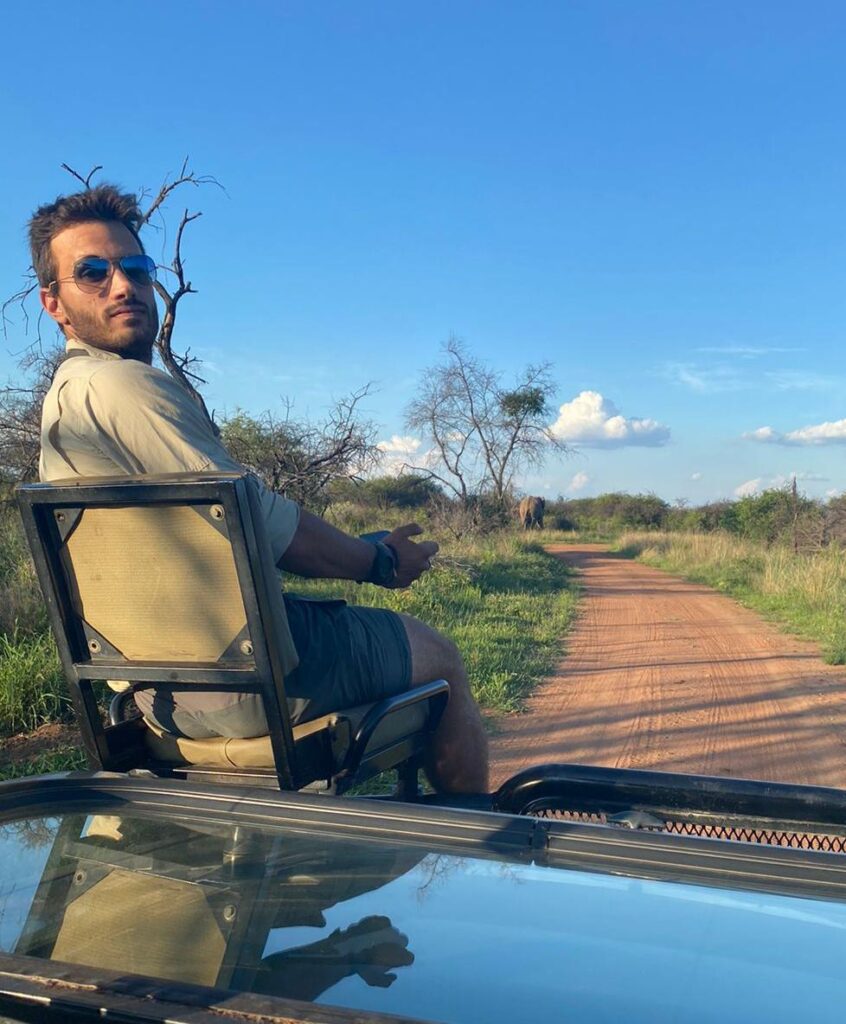
I have undoubtedly been provided with a precious amount of knowledge by my trainers and colleagues, ranging from the ecology and geology of the bushveld to the most important concepts in animal behaviour. The daily mix between lectures, bushwalks and game drives has allowed me to enrich my vision of the African nature way beyond the mainstream view I had. Despite my course being only halfway through, I do already feel a stronger desire to share this knowledge with my guests once I will complete my FGASA qualifications. The volunteer experience after the first month of my course, which has basically consisted of working as an intern on all the daily tasks that field guides and rangers have, has taught me valuable lessons about how a professional guide operates in the greater conservation industry.
What I have been provided with beyond the knowledge of animals and plants may however be even more important in the long term. Taking a course in field guiding is much more than notions, and has a fundamental impact on one’s personal growth.
So, again, how many things could have gone wrong in taking such a leap?
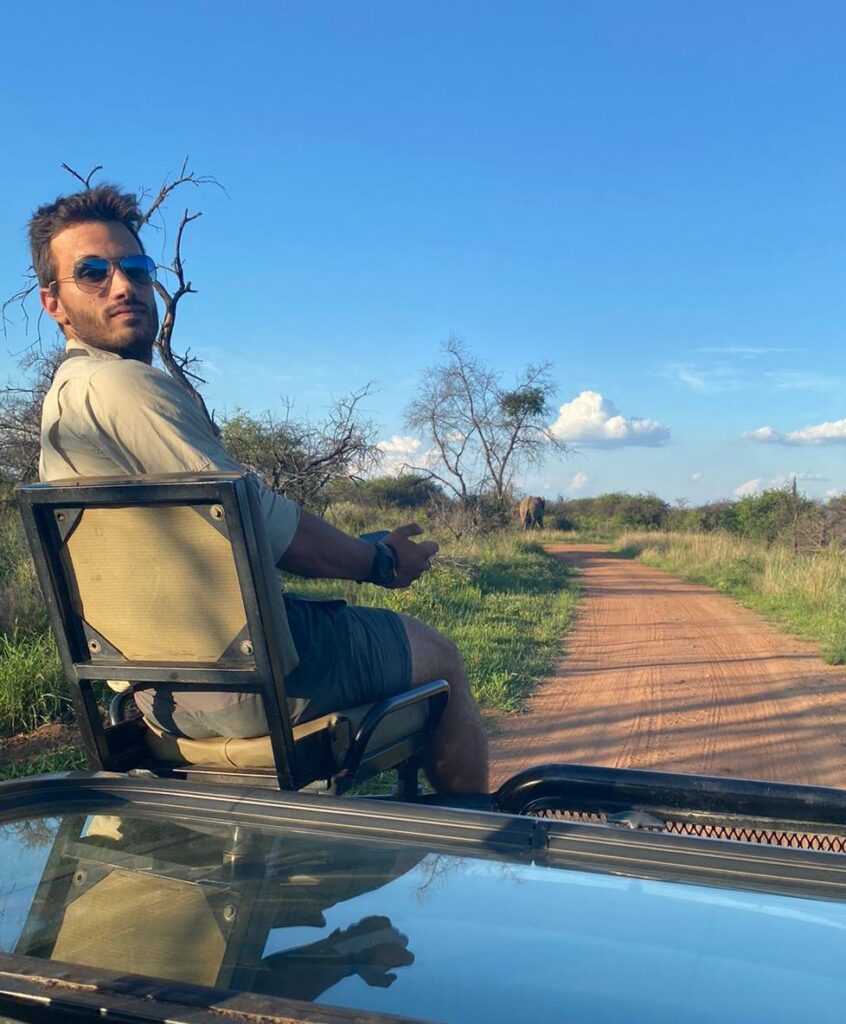
After these two months, I know that there are often times that things don’t go exactly according to the original plan. However, what my first 50 days in the South African bush have taught me, is that for any problem we may encounter, there is always a solution. It is easy to see this when living in the savanna puts you in front of a different challenge every single day. A new coronavirus variant with subsequent, debatable travel restrictions, can emerge exactly in the country where you are training to become a nature guide. An elephant may suddenly emerge out of the thickets and approach you, while a buffalo mother with her calf may patiently be grazing in front of your tent, preventing you from going to sleep. And is there any need to remind you of the power of “load shedding” (scheduled power outages in South Africa) in changing your study plans when you have waited for your free time after dinner to study the taxonomy of the black rhino? In that case we have gas lamps for light – there is also something mystical and romantic about the hiss of a gas lamp as the warm summer breeze gently flaps the canvas of your tent – ah yes, the classic Africa of old!
In the midst of this, what the bush teaches you is to walk like a giraffe. Silently but constantly moving ahead, assessing the risks but still proceeding forward despite all the obstacles, because every single one of these problems has a solution. Those who are brave enough to go on despite all these challenges will (metaphorically) survive and live to see another day in the bush. I have always considered my ability to be flexible, pragmatic and always ready for a new challenge to be one of my greatest strengths. Little I knew, before joining this adventure with LFGA, that this ability could even be improved. This will likely happen to everyone joining the same adventure – which I greatly recommend.
Stay tuned for more chapters from Nicholas as he enters the next phase of his training adventure with LFGA.